Challenges In Himalayan Roads: An In-Depth Exploration
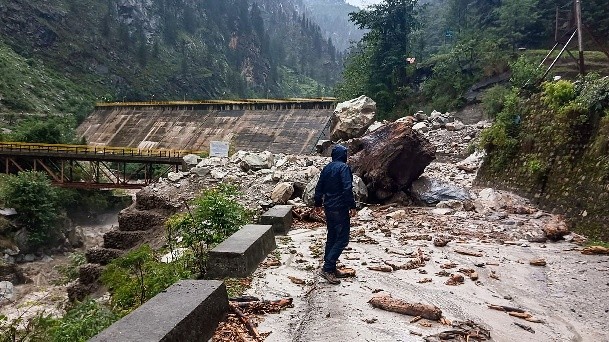
The Himalayan region, known for its breathtaking landscapes and rich biodiversity, is also home to intricate road networks that serve as vital lifelines for remote communities. However, these roads are exceptionally fragile due to both natural and human-induced factors. Natural calamities such as glacial lake outburst floods, earthquakes, floods, avalanches, and extreme weather events pose significant threats to the integrity and safety of road infrastructure. This article delves into the complexities surrounding the impact of natural calamities on Himalayan roads, exploring the interplay between geography, human activity, and climate change while offering insights into mitigation strategies.
In this article, we are Exploring Himalayan Challenges that arise from the unique geographical and climatic conditions of the region.
This article addresses the various Challenges In Himalayan Roads and the multifaceted issues impacting their stability and accessibility.
Further Exploring Himalayan Challenges reveals the impact of these road issues on local economies and communities.
Understanding the Fragility of Himalayan Roads
Exploring Himalayan Challenges
Geographical Challenges
The Himalayas, characterized by their towering peaks and unique geological features, present a host of challenges for road construction and maintenance. The terrain is often steep and unstable, with frequent landslides exacerbating the vulnerability of roadways. Additionally, the region is prone to drastic weather changes, creating conditions that can rapidly deteriorate road quality. These factors mean that what might be a viable route in one season can become perilously impassable in another, complicating travel and transport.
Additionally, Exploring Himalayan Challenges includes understanding how these geographical features complicate road construction.
Moreover, the presence of glaciers and snowfields introduces additional hazards. Melting glaciers can lead to the formation of glacial lakes, which are at risk of sudden outburst floods, capable of devastating entire stretches of road. This environment makes the maintenance of roads a continuous challenge, requiring constant monitoring and rapid response mechanisms to ensure safety and accessibility.
Exploring Himalayan Challenges emphasizes the need for robust infrastructure to handle environmental risks.
Human Impact on Road Infrastructure
Human activities have further strained the delicate balance of the Himalayan ecosystem. Construction practices often disregard environmental impacts, leading to unsustainable practices like deforestation and over-extraction of resources. Building roads without adequate drainage systems can exacerbate erosion and sedimentation, which in turn increases the likelihood of landslides during heavy rains. Poor planning and lack of adherence to environmental regulations contribute to road vulnerabilities, heightening the risks posed by natural calamities.
By Exploring Himalayan Challenges, we can identify sustainable practices to mitigate human impact on the environment.
Additionally, the growing population and increased tourism activities in the region have led to higher traffic volumes. This heightened load on existing road networks not only accelerates wear and tear but also necessitates frequent repairs and upgrades, putting further stress on already limited resources. The combination of natural challenges and human-induced impacts creates a precarious situation for the roads of the Himalayas.
Natural Calamities Contributing to Road Damage
We are Exploring Himalayan Challenges and their direct correlation to road safety and accessibility.
Glacial Lake Outburst Floods (GLOFs)
Glacial Lake Outburst Floods (GLOFs) represent one of the most significant threats to Himalayan infrastructure. These floods occur when a glacier retreats, leaving behind a lake that can accumulate large volumes of water. If the natural dam holding back this water breaches, it can result in catastrophic flooding downstream, obliterating anything in its path, including roads and bridges. GLOFs have been recorded with increasing frequency, prompting urgent calls for action to assess and monitor glacial lakes in vulnerable areas.
Understanding GLOFs is part of Exploring Himalayan Challenges, as they pose a genuine threat to infrastructure.
The implications of GLOFs extend beyond immediate damage; they disrupt local economies by isolating communities and affecting transport routes. The destruction of roads not only hampers emergency responses but also impacts trade and supply chains essential for the survival of remote populations. As climate change accelerates glacial melting, the risk of GLOFs is projected to rise, necessitating enhanced infrastructure planning and disaster preparedness.
Flooding: Causes and Consequences
Flooding in the Himalayan region can arise from various sources, including heavy rainfall, rapid snowmelt, and GLOFs. Seasonal monsoon rains can lead to river overflows, inundating roadways and causing significant structural damage. Areas with poor drainage systems are particularly susceptible, as accumulated water can erode road surfaces and create hazardous driving conditions, making travel nearly impossible.
The aftermath of flooding often leaves a trail of destruction, with roads requiring extensive repairs that can take weeks or months to complete. This situation severely affects the movement of goods and services, leading to economic losses and potential food shortages in remote regions. Moreover, flooding can also pose risks to public health, as displaced communities may lack access to clean water and sanitation during recovery efforts.
In Exploring Himalayan Challenges, we recognize the role of flooding in exacerbating road damage.
Earthquakes: Structural Vulnerability
The Himalayan region is seismically active, with earthquakes posing a constant threat to road infrastructure. Earthquakes can lead to immediate and widespread destruction, causing roads to crack, buckle, or collapse entirely. These seismic events can trigger secondary disasters such as landslides, exacerbating the damage and complicating rescue operations. The vulnerability of structures built in such regions raises questions about the adequacy of existing engineering standards.
Additionally, Exploring Himalayan Challenges sheds light on the structural vulnerability of roads during earthquakes.
In the wake of an earthquake, the restoration of essential transportation routes is critical for delivering aid and supplies to affected areas. However, the damage to roads can hinder these efforts, leading to prolonged isolation of communities. This underscores the necessity for implementing earthquake-resistant designs in road construction and incorporating advanced technologies to monitor structural integrity over time.
Avalanches: Threats to Safety and Accessibility
Avalanches are another natural calamity that poses a significant risk to Himalayan roads, particularly during the winter months when heavy snowfall occurs. Areas prone to avalanches can see sudden and devastating snow slides that can bury roads and block access for extended periods. The unpredictability of avalanches makes them particularly challenging to manage, as even areas that are typically safe can become hazardous with little warning.
In the context of Exploring Himalayan Challenges, we must address the avalanche risk to road safety.
Efforts to mitigate avalanche risks include the use of snow barriers, controlled explosions for snow release, and timely weather monitoring. However, these measures require substantial investment and ongoing maintenance. Communities often find themselves cut off during heavy snowfall, leading to economic hardships and increased vulnerability for residents. The psychological impact on local populations, who live in constant fear of avalanches, adds another layer of complexity to this issue.
Impact of Rain and Cloud Bursts
Extreme weather patterns, as discussed in Exploring Himalayan Challenges, have significant implications for road integrity.
Extreme weather events, including heavy rainfall and cloudbursts, have been increasingly common due to climate change. These sudden and intense rain events can lead to flash floods, landslides, and rapid erosion, all of which critically undermine road integrity. The short duration but high intensity of cloudbursts presents unique challenges for infrastructure resilience, as conventional drainage systems may not be equipped to handle the sudden influx of water.
The consequences of such weather phenomena can be dire, with communities often facing the loss of access to essential services and disrupted livelihoods. The combination of heavy rainfall and unstable soil can lead to landslides that not only damage roads but also pose significant risks to life and safety. It is crucial for local authorities to invest in improved forecasting and response systems to prepare for these increasingly common events.
Case Studies of Recent Road Damages
Significant Flooding Events
In recent years, several significant flooding events have highlighted the vulnerabilities of Himalayan road networks. For instance, the devastating floods in Uttarakhand in 2013 caused extensive damage to roads and bridges, isolating entire communities. The Indian state faced loss of life and property, underscoring the urgent need for resilient infrastructure and effective disaster response systems.
Recent flooding events amplify the urgency of Exploring Himalayan Challenges in our infrastructure planning.
As a response to this calamity, the government has initiated rerouting and reconstruction efforts, yet the lessons learned from these events illustrate the critical importance of preemptive measures. Investment in early warning systems, community education, and sustainable road design is paramount to mitigate the impact of future flooding.
Recent Earthquake Impacts on Road Networks
The 2015 earthquake in Nepal serves as a poignant reminder of the vulnerability of Himalayan roads to seismic events. The earthquake caused substantial damage to the existing road infrastructure, hampering rescue and recovery efforts across the nation. Communities in remote areas faced prolonged isolation following the disaster, as critical supply routes were rendered impassable.
Moreover, Exploring Himalayan Challenges reinforces the need for resilient infrastructure in light of past earthquake impacts.
This incident prompted a reevaluation of building codes and road construction practices in the region. The focus shifted toward enhancing the resilience of infrastructure to withstand seismic shocks, advocating for research and development in earthquake-resistant technologies. By learning from past mistakes, stakeholders aim to build a more robust network capable of enduring future seismic challenges.
Avalanche Incidents and Their Aftermath
Avalanche incidents have also impacted road safety and accessibility in various Himalayan regions. In 2021, a significant avalanche struck a major highway in Himachal Pradesh, burying vehicles and disrupting traffic for days. The quick response by local authorities in clearing the debris underscored the need for timely communication and preparedness in avalanche-prone areas.
The aftermath of avalanche incidents is critical to Exploring Himalayan Challenges and their effects on transportation.
Post-incident assessments revealed the necessity for improved avalanche forecasting and the establishment of designated safe zones for travelers. Communities are increasingly recognizing the importance of education and training for residents and travelers alike to navigate the risks associated with these natural calamities.
Mitigation Strategies and Future Recommendations
Improving Infrastructure Resilience
Our approach to Exploring Himalayan Challenges must include community engagement and infrastructure resilience strategies.
Enhancing the resilience of Himalayan roads requires a multifaceted approach, beginning with the integration of advanced engineering techniques in road design. Utilizing materials and construction practices that can withstand natural disasters is crucial. The use of geo-synthetic materials, proper drainage systems, and regular maintenance can significantly increase the longevity and functionality of roadways.
Additionally, adopting a proactive approach to risk assessment and management is essential. This includes establishing comprehensive monitoring systems that track weather patterns, geological changes, and road conditions. By employing modern technology, such as satellite imagery and drone surveillance, authorities can identify potential vulnerabilities and implement timely interventions to prevent catastrophic failures.
Community Awareness and Preparedness
Community preparedness is vital when Exploring Himalayan Challenges that threaten road access.
Raising community awareness and preparedness for natural disasters is critical in minimizing the impact of calamities on road infrastructure. Local governments and organizations should implement training programs that educate residents on recognizing warning signs of natural disasters, the importance of emergency kits, and evacuation protocols. Engaging communities in decision-making processes regarding infrastructure improvements can foster a sense of ownership and responsibility in maintaining safety standards.
Moreover, community drills and simulation exercises can prepare residents for emergencies, ensuring they know how to respond effectively. Building resilience at the community level creates a supportive environment that enhances individual and collective preparedness, ultimately reducing the risks associated with natural calamities.
Government Policies and Support Systems
Effective government policies play a crucial role in addressing the vulnerabilities of Himalayan road infrastructure. Policymakers must prioritize disaster risk reduction in their planning processes, allocating resources to enhance infrastructure resilience. This includes investing in research and development aimed at understanding the unique challenges posed by the Himalayan environment and creating effective mitigation strategies.
Effective government policies are crucial in Exploring Himalayan Challenges faced by local communities.
Additionally, establishing support systems for affected communities is vital. Accessibility to financial assistance, training, and technical expertise can empower local authorities to implement necessary repairs and improvements swiftly. By creating a robust framework for response and recovery, governments can significantly mitigate the long-term impacts of natural calamities on road infrastructure.
Conclusion
The impact of natural calamities on the fragile road networks of the Himalayas is a pressing issue that requires urgent attention. Understanding the interplay between geological challenges, human activities, and environmental changes provides a foundation for developing effective strategies to enhance infrastructure resilience. Through proactive measures, community engagement, and government support, the risks associated with natural disasters can be significantly reduced, ensuring safer and more reliable road access for the region’s inhabitants.
Ultimately, Exploring Himalayan Challenges is essential for understanding and addressing road vulnerabilities.
FAQs
What are the main natural calamities affecting Himalayan roads?
The primary natural calamities impacting Himalayan roads include glacial lake outburst floods (GLOFs), flooding from heavy rainfall, earthquakes, avalanches, and extreme weather events such as cloudbursts.
How can communities prepare for natural disasters in the Himalayas?
Communities can prepare by establishing emergency response plans, participating in disaster preparedness drills, and staying informed about local risks and warning signs. Education on the importance of emergency kits and safe evacuation routes is also vital.
What role does government policy play in road resilience?
Government policy is crucial in prioritizing disaster risk reduction, allocating resources for infrastructure improvements, and creating support systems for affected communities. Effective policies can enhance resilience and ensure timely recovery from natural disasters.
The role of government policy is highlighted when Exploring Himalayan Challenges in road development.
What engineering practices can improve Himalayan road safety?
Improving road safety can be achieved through the use of durable materials, proper drainage systems, geo-synthetic reinforcements, and regular maintenance. Incorporating seismic-resistant designs is also essential to withstand earthquakes.
How can technology aid in mitigating road damage from natural calamities?
Technology can assist by providing advanced monitoring systems that track weather patterns and geological changes. Tools like satellite imagery and drones can help identify vulnerabilities and inform timely interventions to prevent damage.