Vastu paintings for home are more than decorative additions for people who follow traditional Indian architectural beliefs. From galloping horses and flowing waterfalls to images of Lord Ganesha, certain artworks are considered auspicious and are believed to represent prosperity, stability, happiness and harmony within a household.
A beautifully decorated home reflects personal taste, but according to Vastu Shastra, the subjects depicted in paintings and their placement on particular walls also carry symbolic significance. Traditional Vastu practices associate different directions with particular elements of nature, suggesting that carefully chosen artwork can contribute to a more harmonious living environment.
Here are five paintings commonly recommended in Vastu traditions, along with their symbolic meanings and suggested placements.
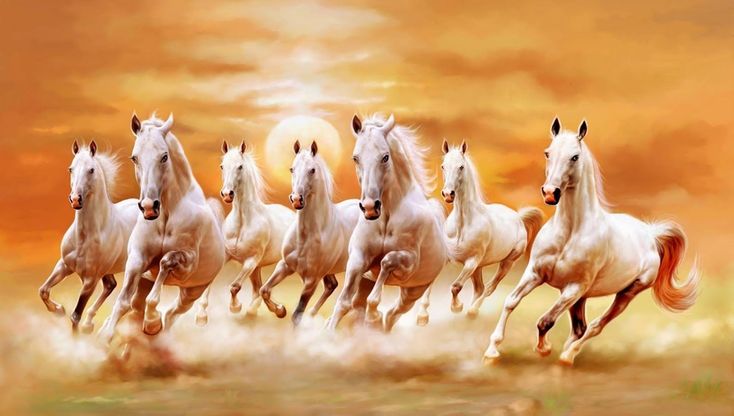
1. Seven Running Horses: A Symbol of Success and Determination
Among the most recognisable paintings associated with Vastu Shastra is the image of seven horses galloping together. The horses represent strength, ambition, determination and continuous progress.
According to traditional interpretations, displaying seven running horses is believed to encourage confidence, professional growth and a sense of purpose. Paintings featuring healthy horses moving together against a bright, pleasant background are generally preferred over images depicting aggression or distress.
Recommended direction: East or south wall, although specific recommendations vary depending on the painting’s colours and background.
2. Waterfall Painting: Representing Flow and New Opportunities
A painting depicting a peaceful waterfall, flowing river or gentle stream is another popular choice for homes. In Vastu traditions, moving water symbolises continuity, renewal and the uninterrupted flow of opportunities.
Such paintings are particularly favoured for living rooms and shared spaces because their natural scenery can create a refreshing atmosphere. Traditional recommendations generally favour clear, gently flowing water rather than dark waterfalls, violent currents or stormy landscapes.
Recommended direction: North, east or northeast wall.
3. Lord Ganesha Painting: A Traditional Symbol of Auspicious Beginnings
Lord Ganesha holds an important place in Hindu religious traditions as the deity associated with wisdom, new beginnings and the removal of obstacles.
For many households, displaying a painting of Lord Ganesha is both an expression of devotion and a way of welcoming guests into a spiritually meaningful environment. Such artwork is commonly placed near entrances, prayer areas or home offices.
Devotees traditionally associate these images with blessings, protection and the hope of overcoming difficulties in personal and professional life.
Recommended placement: Near the main entrance, in a prayer space or in a suitable area of the home office.
4. Mountain Painting: A Representation of Stability and Strength
Mountains have long symbolised endurance, security and resilience. Within Vastu traditions, paintings featuring majestic mountain ranges are associated with stability and a strong foundation in life.
A landscape showing peaceful mountains, greenery or a clear horizon can also introduce a calming natural element into an otherwise busy interior. The recommended placement depends on whether the painting features rocky mountains, green hills or flowing water.
Recommended direction: Southwest for rocky mountain landscapes without water. Green mountain scenery may also be recommended for east or northeast walls.
5. Peacock Painting: Bringing Colour, Beauty and Harmony
With its vibrant feathers and graceful appearance, the peacock is widely admired in Indian art and culture. In Vastu traditions, peacock paintings are associated with beauty, vitality, happiness and abundance.
Artwork featuring one or more peacocks can add colour and character to living rooms, hallways and other common areas. Paintings depicting peacocks in peaceful natural surroundings are generally preferred for creating a cheerful and welcoming atmosphere.
Recommended direction: North or northeast wall, according to commonly cited Vastu recommendations.
Choosing Paintings That Suit Your Home
While Vastu traditions attach considerable importance to the direction and subject of paintings, homeowners should also consider lighting, available wall space, colour combinations and their own preferences.
Artwork depicting peaceful landscapes, vibrant nature or meaningful religious symbols can make a home feel more welcoming. Conversely, disturbing imagery or excessively dark compositions may not suit spaces intended for relaxation.
It is important to distinguish traditional beliefs from scientifically established effects. There is no reliable scientific evidence that hanging a particular painting in a specific direction directly increases wealth, prevents misfortune or changes a person’s destiny.
Nevertheless, for families who value Vastu Shastra, choosing paintings that reflect positive symbolism remains a meaningful way to combine cultural traditions with contemporary home decoration.