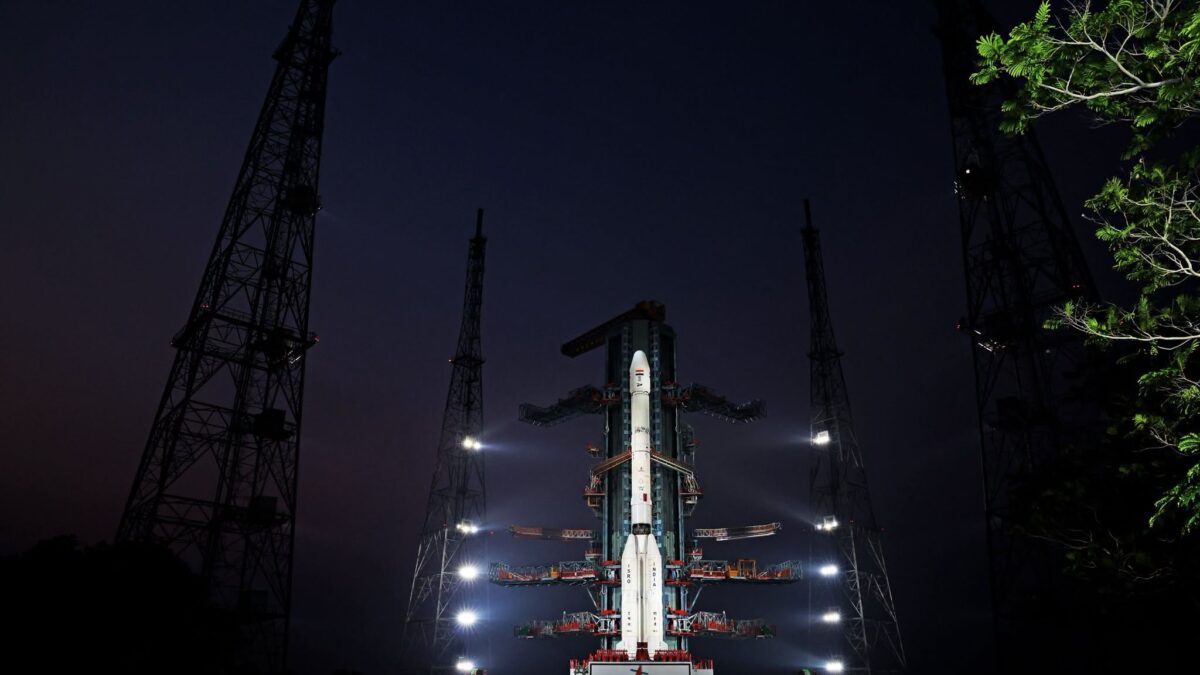
The NVS-03 satellite is the third spacecraft in India’s second-generation NVS series, developed to enhance the reliability, accuracy and continuity of the NavIC navigation network. The 50-metre-tall, three-stage GSLV-F18 rocket carried the 2,232-kg satellite on a mission to place it into Geosynchronous Transfer Orbit (GTO), from where it is intended to undergo further orbital manoeuvres to reach its designated position at 32.5 degrees East.
The mission also marked the 20th flight of India’s GSLV programme. The launch represents an important development for the Indian Space Research Organisation (ISRO), which has been working to strengthen domestic capabilities in satellite navigation and reduce dependence on foreign positioning systems.
One of the major technological features of NVS-03 is its indigenous atomic clock, supported by additional procured atomic clocks, designed to provide highly precise positioning and timing information. The satellite also carries the new L1 navigation signal alongside the existing L5 and S-band signals, potentially improving compatibility with civilian navigation devices, including smartphones and other location-based technologies.
NavIC is India’s regional satellite navigation system, designed to provide positioning, navigation and timing services throughout the country and across an area extending approximately 1,500 kilometres beyond its borders. Unlike the United States-operated Global Positioning System (GPS), NavIC is developed and operated by India, providing an independent navigation capability for civilian and strategic applications.
The system is particularly important for transportation, maritime operations, disaster management, telecommunications and defence. By strengthening the NavIC constellation, India aims to improve the availability of reliable navigation services while enhancing technological self-reliance in critical infrastructure and national security operations.
The successful liftoff of GSLV-F18 marks an important initial milestone for the NVS-03 mission. However, the satellite’s final operational status will depend on its successful orbital deployment, subsequent manoeuvres and completion of necessary technical checks.